

Why some bottles grow more compelling with age — and others simply grow old.
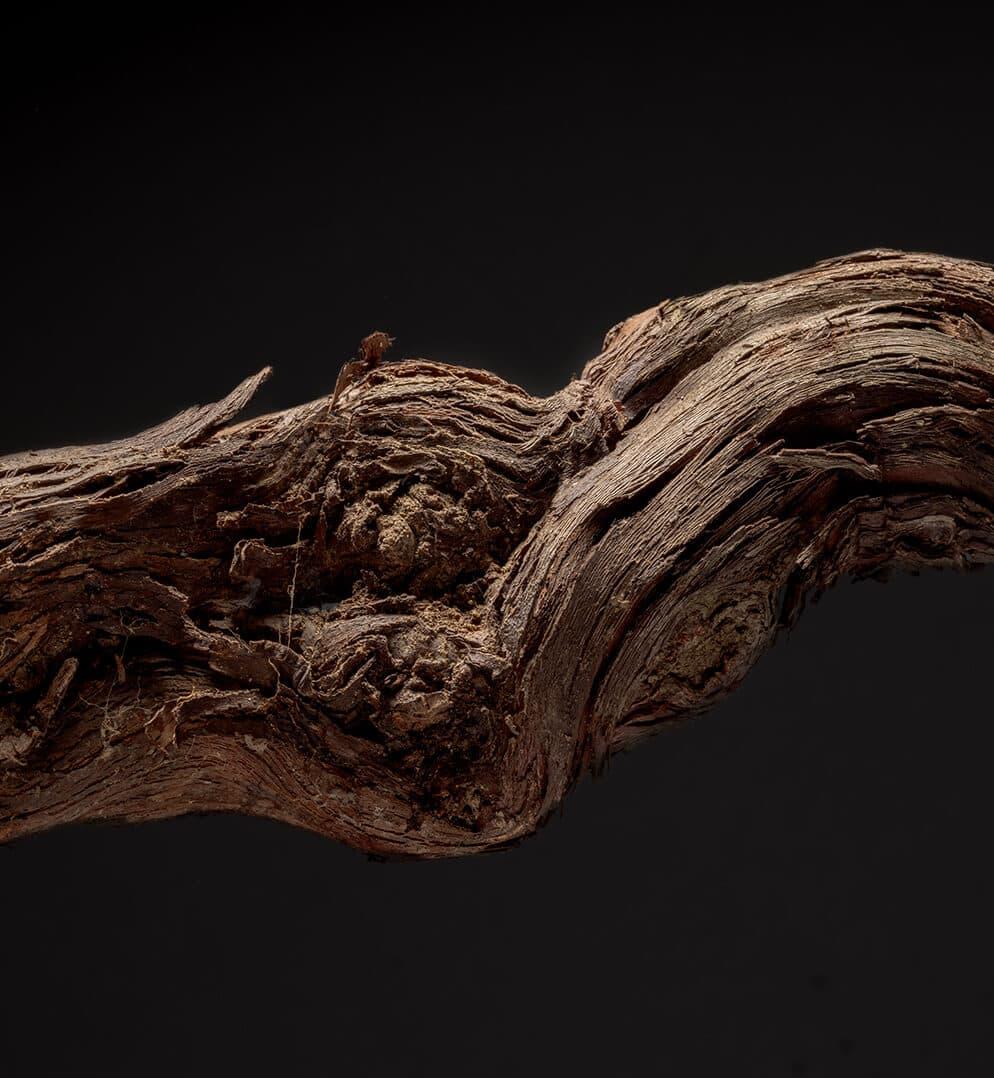
We put wine away in the hope that time will reward our patience. Sometimes it does. But age alone is no measure of quality: a perfectly preserved wine can outlive its fruit, while another finds a balance that was absent in youth. What matters is not how long the bottle has waited, but what has happened inside it.
A quiet transformation
Wine keeps changing after bottling. Fresh-fruit aromas can become less prominent, while notes reminiscent of dried fruit, undergrowth, tobacco or nuts may emerge. These are often called tertiary aromas. They are not necessarily better than primary fruit; they offer a different kind of pleasure.
In structured reds, tannins and pigments participate in reactions that alter colour and mouthfeel. Some compounds eventually precipitate as sediment. A mature wine may therefore seem gentler on the palate, although sediment and soft tannins are not proof that it is at its best. Acidity, concentration and overall balance still matter.
Oxygen: a delicate balance
Oxygen is neither simply friend nor enemy. Small amounts may be present at bottling, in the space beneath the closure or introduced through the closure over time. Too much exposure can accelerate oxidation and the loss of freshness; very little oxygen does not stop all the reactions associated with bottle ageing.
This is one reason two bottles from the same vintage can taste different decades later. Closure variation, storage temperature and the wine’s original composition may all play a part. Even excellent provenance reduces uncertainty; it never eliminates it.
Two paths to maturity
A mature Château Lafleur illustrates one expression of ageing. In fine red Bordeaux, youthful fruit and tannic structure may give way to a more integrated palate and savoury complexity. The underlying strength of the wine matters more than a grand name alone. No producer, however distinguished, can make every bottle immune to poor storage.
Château d’Yquem offers a different lesson. In Sauternes, grapes affected by noble rot can yield sweet wines of remarkable concentration. Residual sugar and acidity both contribute to their capacity to develop over time. Golden fruit and floral notes may take on a deeper register of marmalade, saffron, wax or toasted nuts. Sweetness by itself is not a guarantee of longevity.
Does bottle size matter?
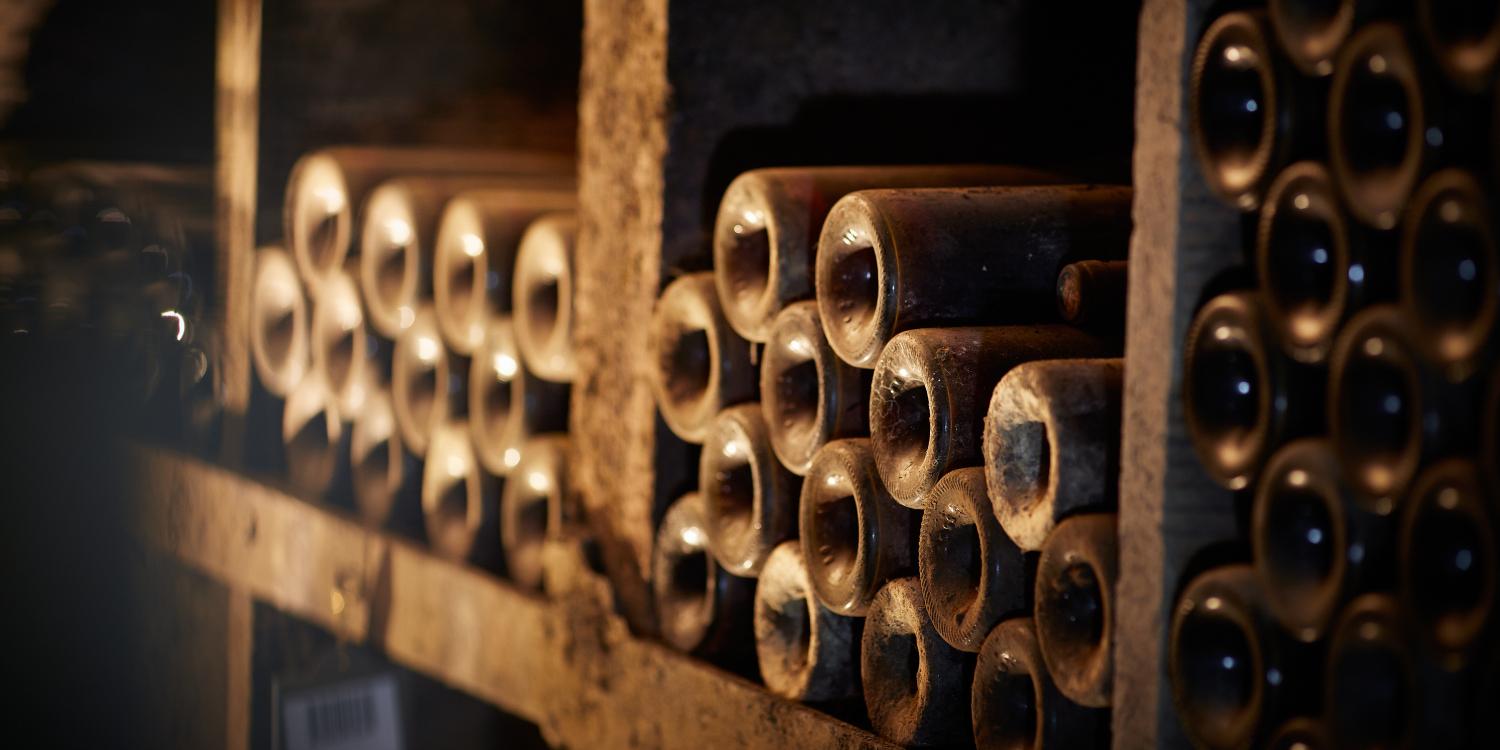
Magnums often evolve more slowly than standard 75 cl bottles under comparable conditions. One reason is the relationship between oxygen available around bottling or through the closure and the larger volume of wine. The comparison is not exact: bottle shape, headspace, closure and filling practices can differ.
Half-bottles frequently develop faster; magnums can offer a longer window of youthful expression. Neither format makes mediocre wine great, and neither compensates for a hot cellar.
Reading an old bottle
For an older wine, the first question is not “What score did it receive?” but “Where has this bottle been?” Temperature stability, transport history, fill level and signs of seepage all deserve attention.
A low fill can be ordinary in a very old bottle and concerning in a much younger one. A stained capsule can signal a past leak, though an immaculate capsule guarantees nothing. These details are evidence to interpret, not a laboratory diagnosis.
If the bottle contains sediment, stand it upright in advance when practical and pour carefully. Decanting may separate the wine from its sediment; prolonged aeration, however, can exhaust a fragile wine. There is no rule requiring every mature bottle to spend hours in a decanter.
When should you open it?
A drinking window is an estimate, not an appointment. Some collectors value the drive and fruit of a relatively young wine; others seek the quieter complexity of maturity. If you own several bottles, opening them at intervals teaches you more than treating a published date as law.
The most useful question might be: what am I hoping to find in the glass? If you want freshness, do not wait simply because the wine is famous. If you enjoy tertiary character, accept that some bottles will disappoint. That uncertainty is part of the pleasure of collecting.
A final thought
A cellar protects possibility; it does not manufacture greatness. The art of waiting lies in recognising when anticipation has served its purpose — and opening the bottle.
Explore the Belgium Wine Watchers cellar for mature vintages and other wines with a story worth discovering.