Discreet. Fast. Professional.Your wines, our expertiseYour cellar, our global networkDiscreet. Fast. Professional.Your wines, our expertiseYour cellar, our global networkDiscreet. Fast. Professional.Your wines, our expertiseYour cellar, our global network

Blogs


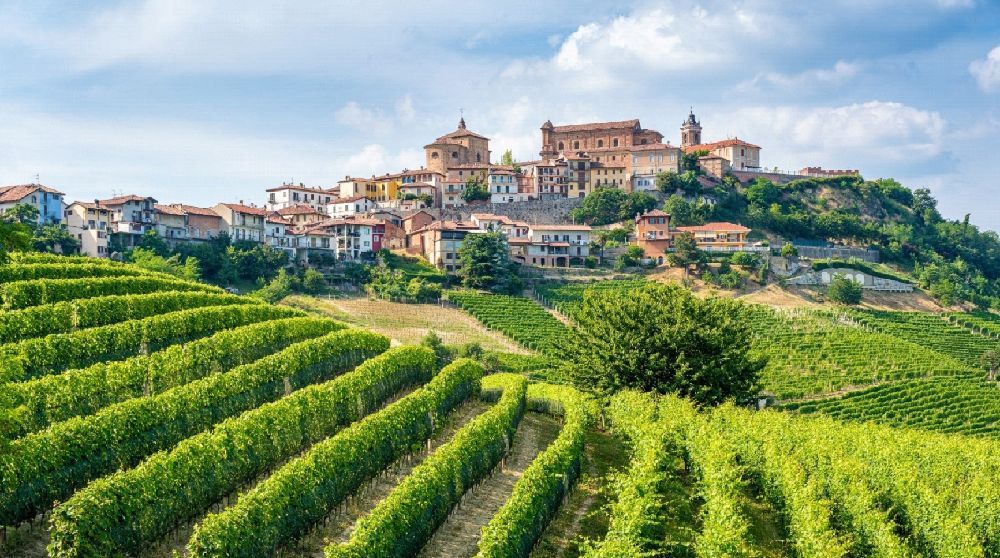
Barolo riserva: why the word doesn’t always mean the same thing

Thursday, March 19, 2026
Barolo Riserva bottles
Barolo riserva: why the word doesn’t always mean the same thing

Interest in mature Italian wines has grown steadily, and Barolo sits at the center of that attention. Yet one familiar term on the label continues to cause quiet confusion among collectors.

A legal term with a long memory

“Riserva” indicates extended aging, but the rules and interpretations have evolved over time. Older bottles were often released under different norms than today, reflecting both tradition and the practical realities of long cellar aging in Piedmont.

Where assumptions go wrong

The misconception is that riserva automatically signals superior quality. In practice, it often indicates a different aging path rather than a hierarchy. Some riservas were held back for structural reasons, others for logistical or commercial timing.

How this affected the secondary market

As bottles aged, collectors noticed that standard Barolo and riserva versions from the same year could peak at different moments. Those differences influenced trading patterns, with certain wines resurfacing only after decades of uninterrupted storage.

What experienced collectors watch instead

Attention has gradually shifted toward release timing, bottle condition, and storage continuity. In private cellars, older Barolo riservas with clear custody histories tend to move far less frequently, simply because uncertainty has already been filtered out.

Written by Glenn Cambré
Sales & Marketing Manager
Belgium Wine Watchers


Disgorgement dates: the hidden timeline inside Champagne bottles

Thursday, March 12, 2026
Champagne Disgorgement Dates
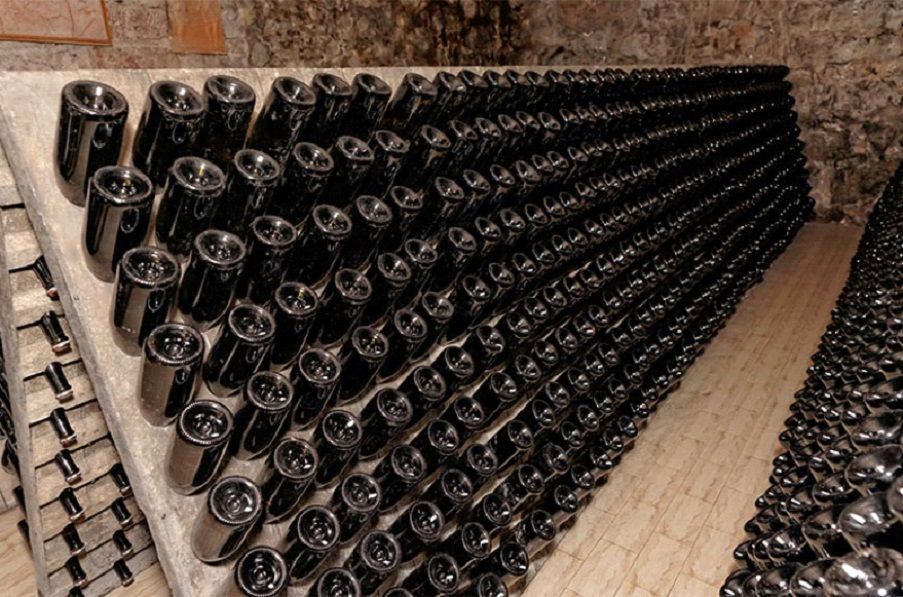
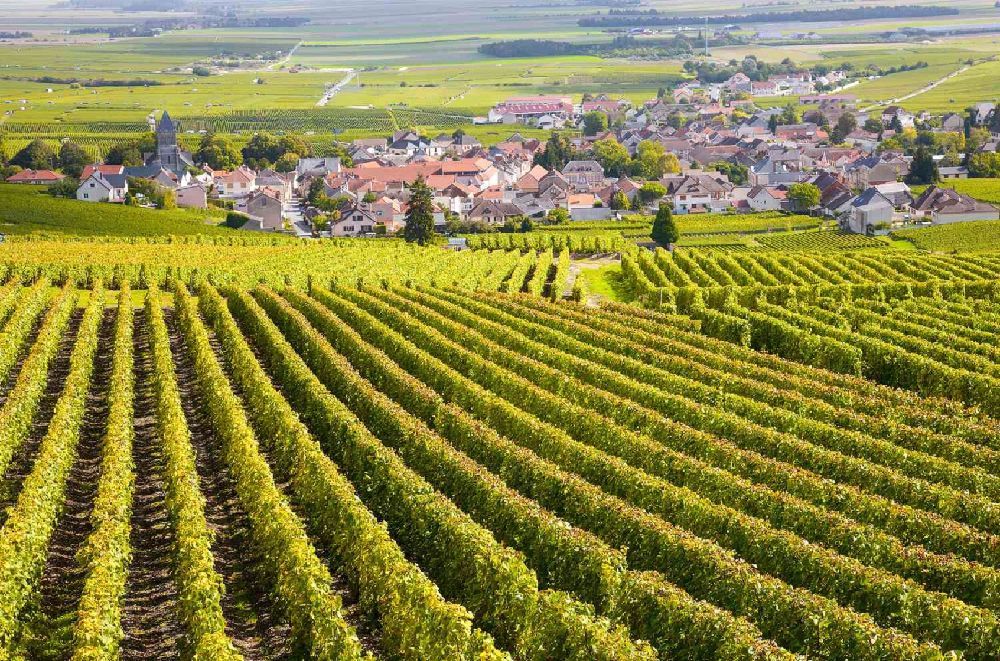
Disgorgement dates: the hidden timeline inside Champagne bottles

More Champagne is being opened well after release than ever before. That makes one small line on the back label suddenly very important, especially for wines that have spent long years resting quietly in cellars.

The moment that starts a new clock

Disgorgement is when sediment is removed from a bottle and dosage is added. From that point on, the wine begins aging in a different way. Two identical bottles from the same vintage can taste and evolve very differently if their disgorgement dates are years apart.

Why this was overlooked for so long

The misconception is that vintage alone tells the full story. For decades, disgorgement dates were rarely discussed outside technical circles. Collectors assumed a 2008 Champagne behaved like any other 2008, regardless of when it left the cellar.

Real-world implications for long-held bottles

As secondary markets matured, differences became visible. Bottles disgorged later often showed more stability and consistency when opened, while earlier-disgorged examples reflected longer post-disgorgement aging. Quietly, buyers began favoring wines with clearly documented timelines.

A subtle shift in how bottles move

Disgorgement information now influences how Champagne circulates privately. Bottles with known dates and minimal movement tend to remain in long-term collections, while those without clarity change hands more often, sometimes without anyone realizing why.

Written by Glenn Cambré
Sales & Marketing Manager
Belgium Wine Watchers


Why some older white Burgundy bottles still surprise — for better and worse

Thursday, March 5, 2026
Older White Burgundy Bottles
Why some older white Burgundy bottles still surprise — for better and worse.

Right now, more collectors are opening bottles from the early 2000s than at any point in the last decade. That timing matters, because white Burgundy from certain years has developed a reputation that still shapes buying confidence today.

The background that changed expectations

During the late 1990s and early 2000s, shifts in viticulture and winemaking aimed for greater purity and freshness. Ironically, some of those choices reduced a wine’s long-term resistance to oxygen. The result was premature oxidation — bottles aging far faster than expected.

What the market learned the hard way

The misconception is that age alone determines whether a white Burgundy will still be alive. In reality, two bottles from the same case can behave very differently decades later. For collectors, that uncertainty translated into uneven trust and cautious pricing for older vintages.

Why provenance became everything

As concerns grew, attention moved away from labels and toward storage history. Bottles that stayed in deep, stable cellars held value, while identical wines with unknown journeys quietly slipped out of serious consideration. This is where records, movement history, and long periods of inactivity started to matter more than producer prestige.

Where this leaves things today

The conversation has matured. Premature oxidation is no longer a shock; it is a known risk that has reshaped how older white Burgundy is assessed. Bottles with documented, uninterrupted storage continue to circulate privately, while others rarely reappear once doubts set in.

Written by Glenn Cambré
Sales & Marketing Manager
Belgium Wine Watchers


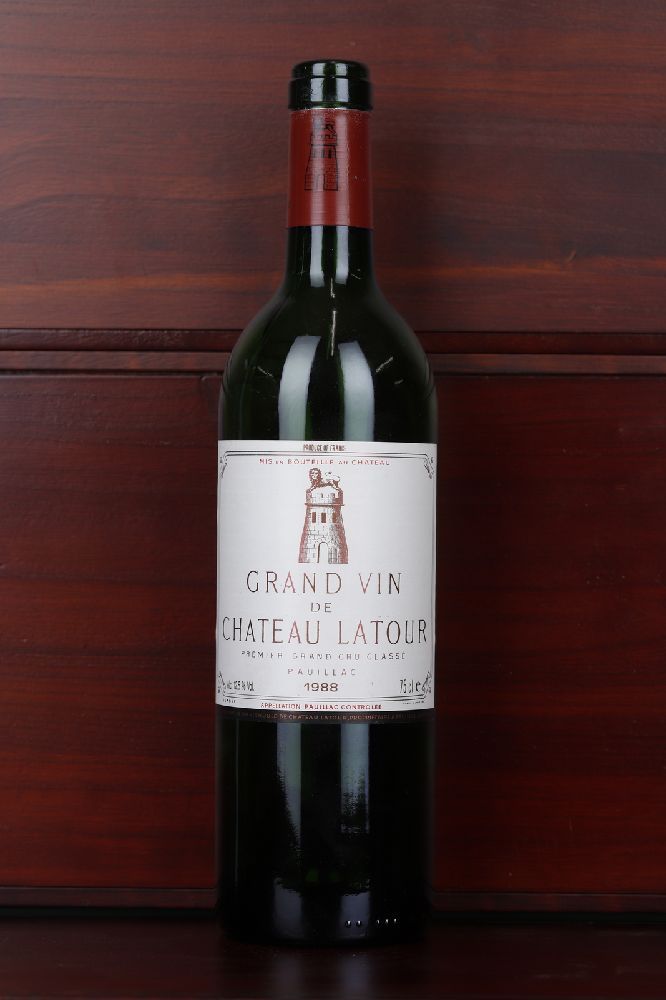
Château Latour 1988 – Pauillac

Thursday, February 26, 2026
Château Latour 1988 – Pauillac

The slow burn.

In the trilogy of 1988–89–90, the ’88 was the sleeper—tight, classic, almost austere in youth. But Latour thrives on time. Today, it’s hitting its stride: firm, noble, and deeply Pauillac without a hint of flash.

Tasting note:

Cassis, cedar, dried tobacco, and graphite. The palate is structured, with fine-grained tannins and a cool, iron-tinged finish. No excess—just precision and quiet power. Still a long road ahead if cellared well.

Fun fact:

1988 marked the first full vintage made under the leadership of the new Latour technical director, Jean-Paul Gardère. His focus on tighter selection and cellar discipline laid the groundwork for Latour’s 1990s renaissance.

BWW Score:

94/100

Disclaimer:

A small note on our tasting impressions

Many of the wines we taste come from bottles that aren’t quite sale-worthy—levels a bit low, labels too distressed, or simply not pretty enough for the spotlight. While we love the character these bottles bring, our notes are not based on a single glass alone. They reflect years of tasting experience—both within our team and from trusted friends in the wine world.

As for the fun facts?

All true (we promise)… though possibly enhanced by the gentle glow of a good glass of wine.


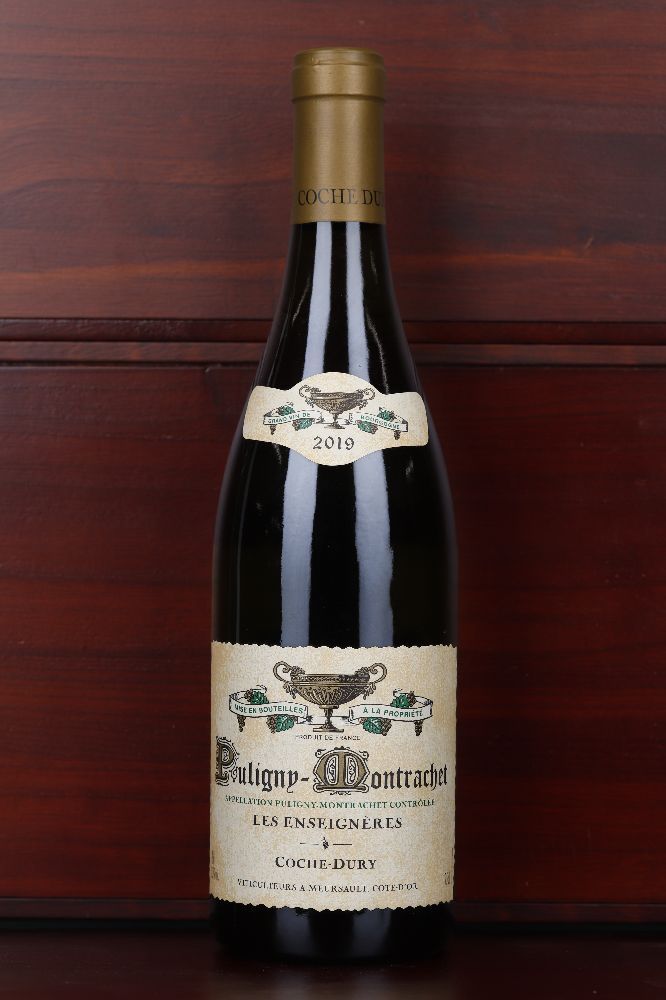
Puligny-Montrachet “Les Enseignères” 2019 – Coche-Dury

Thursday, February 19, 2026
Puligny-Montrachet “Les Enseignères” 2019 – Coche-Dury

The white unicorn.

Coche-Dury’s rarest Puligny might not carry Premier Cru status, but don’t be fooled. “Les Enseignères” borders Bienvenues-Bâtard and offers a lens into Coche’s precision—this 2019 vintage is a masterclass in restraint within ripeness.

Tasting note:

Lemon curd, flint smoke, white flowers, and hazelnut cream. The mouthfeel is tightly wound, with chiselled minerality and electric tension beneath the surface richness. Still youthful, with decades ahead.

Fun fact:

While Meursault is the Coche-Dury stronghold, this plot in Puligny—just below the Grand Crus—was acquired in the 1980s. Only a few barrels are made each year, and allocations are mythical. More people claim to have tasted it than truly have.

BWW Score:

99/100

Disclaimer:

A small note on our tasting impressions

Many of the wines we taste come from bottles that aren’t quite sale-worthy—levels a bit low, labels too distressed, or simply not pretty enough for the spotlight. While we love the character these bottles bring, our notes are not based on a single glass alone. They reflect years of tasting experience—both within our team and from trusted friends in the wine world.

As for the fun facts?

All true (we promise)… though possibly enhanced by the gentle glow of a good glass of wine.


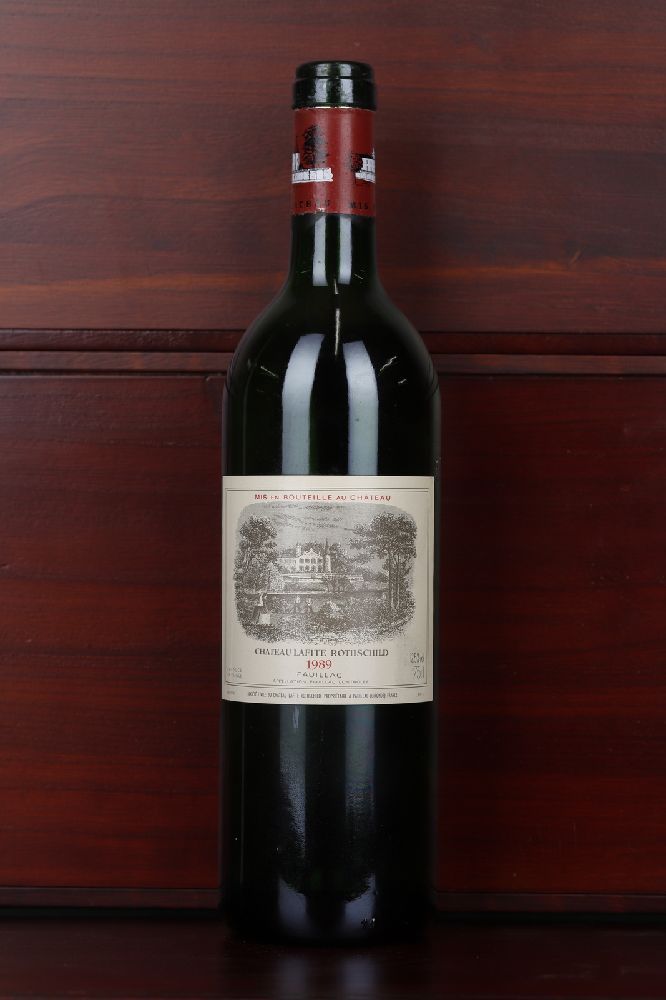
Château Lafite Rothschild 1989 – Pauillac

Thursday, February 12, 2026
Château Lafite Rothschild 1989
Château Lafite Rothschild 1989 – Pauillac

The poised provocateur.

In a vintage known for generosity and sun-kissed fruit, Lafite 1989 stayed graceful—some say too graceful. It was overshadowed early by bolder wines, but time has vindicated it. Today, it shows the elegance of a tightrope walker over warm gravel.

Tasting note:

Sandalwood, dried raspberry, pencil shavings, and a wisp of smoke. The palate is medium-bodied and silky, with Lafite’s signature lift and a persistent, savoury finish. Less muscle than its peers, but more poetry.

Fun fact:

Unlike many Left Bank estates that embraced extraction in ’89, Lafite played it cool. That decision led to early criticism—but decades later, the wine is aging with more grace than many of its louder neighbours.

BWW Score:

94/100

Disclaimer:

A small note on our tasting impressions

Many of the wines we taste come from bottles that aren’t quite sale-worthy—levels a bit low, labels too distressed, or simply not pretty enough for the spotlight. While we love the character these bottles bring, our notes are not based on a single glass alone. They reflect years of tasting experience—both within our team and from trusted friends in the wine world.

As for the fun facts?

All true (we promise)… though possibly enhanced by the gentle glow of a good glass of wine.


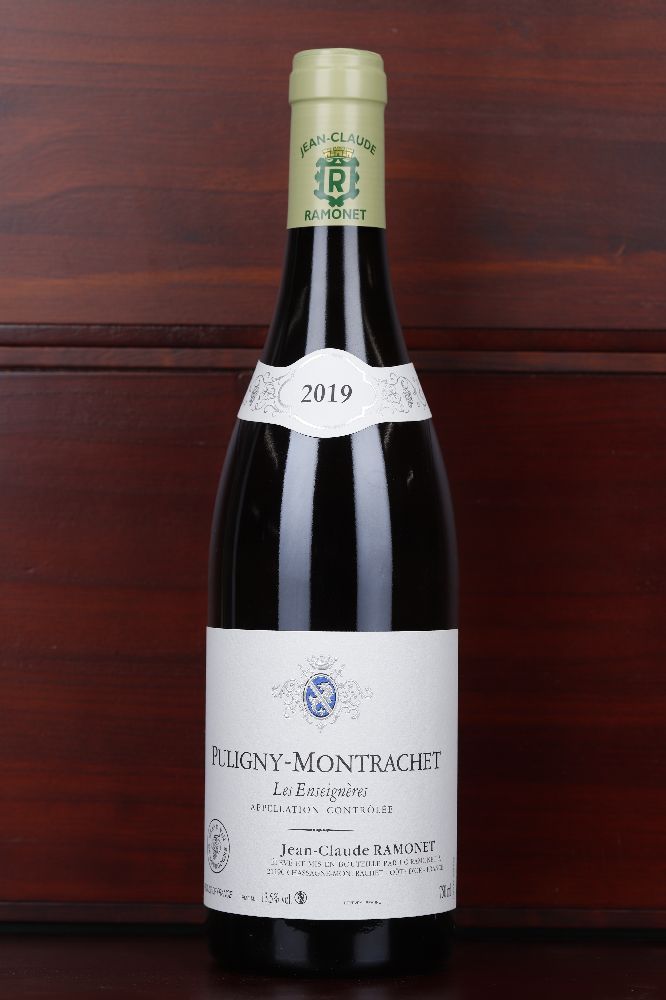
Puligny-Montrachet “Les Enseignères” 2019 – Ramonet

Thursday, February 5, 2026
Puligny-Montrachet “Les Enseignères” 2019 – Ramonet

The quietest Ramonet.

Overshadowed by its famous Chassagnes, this Puligny feels like the introverted sibling with impeccable taste. 2019 gave it an extra dose of generosity—but the Ramonet freshness still reins it all in. Understated. Confident.

Tasting note:

Pear skin, lime blossom, wet chalk, and a flick of almond. Silky on entry, then sharpened by Puligny’s tell-tale minerality. Less flamboyant than its cousins, but with textbook balance and focus.

Fun fact:

Ramonet’s “Les Enseignères” comes from vines just below Bâtard-Montrachet, yet it often ends up as a hidden gem in their lineup. Most bottles are snapped up before they leave the cellar—unless you're friends with Jean-Claude.

BWW Score:

93/100

Disclaimer:

A small note on our tasting impressions

Many of the wines we taste come from bottles that aren’t quite sale-worthy—levels a bit low, labels too distressed, or simply not pretty enough for the spotlight. While we love the character these bottles bring, our notes are not based on a single glass alone. They reflect years of tasting experience—both within our team and from trusted friends in the wine world.

As for the fun facts?

All true (we promise)… though possibly enhanced by the gentle glow of a good glass of wine.


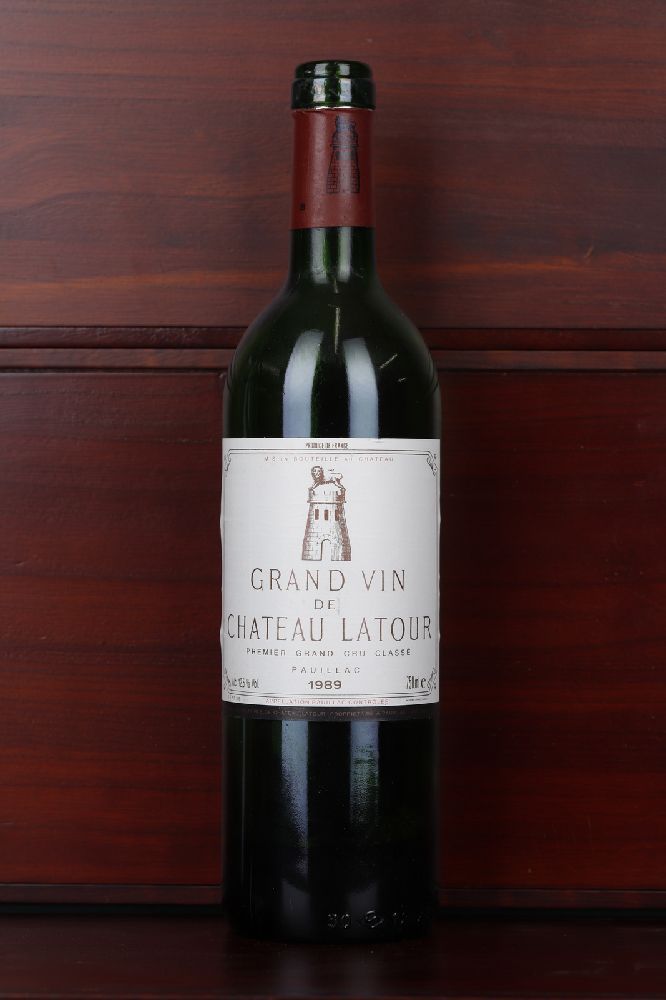
Château Latour 1989 – Pauillac

Thursday, January 29, 2026
Château Latour 1989 – Pauillac

The quiet titan.

Sandwiched between the stern '88 and the flamboyant '90, Latour 1989 is the strong, silent type. The vintage was warm and generous, but Latour held its line—producing a wine of depth, clarity, and ironclad structure. Power without noise.

Tasting note:

Blackcurrant, cedar, iron, and leather. Dense yet composed on the palate, with firm tannins and a savoury, almost ferrous core. It’s Latour through and through: stoic now, but with latent energy.

Fun fact:

1989 was one of Bordeaux’s hottest vintages of the decade, with many châteaux going plush. Latour? They picked early and kept extraction low—resulting in a wine that’s aged more classically than most of its peers.

BWW Score:

95/100

Disclaimer:

A small note on our tasting impressions

Many of the wines we taste come from bottles that aren’t quite sale-worthy—levels a bit low, labels too distressed, or simply not pretty enough for the spotlight. While we love the character these bottles bring, our notes are not based on a single glass alone. They reflect years of tasting experience—both within our team and from trusted friends in the wine world.

As for the fun facts?

All true (we promise)… though possibly enhanced by the gentle glow of a good glass of wine.


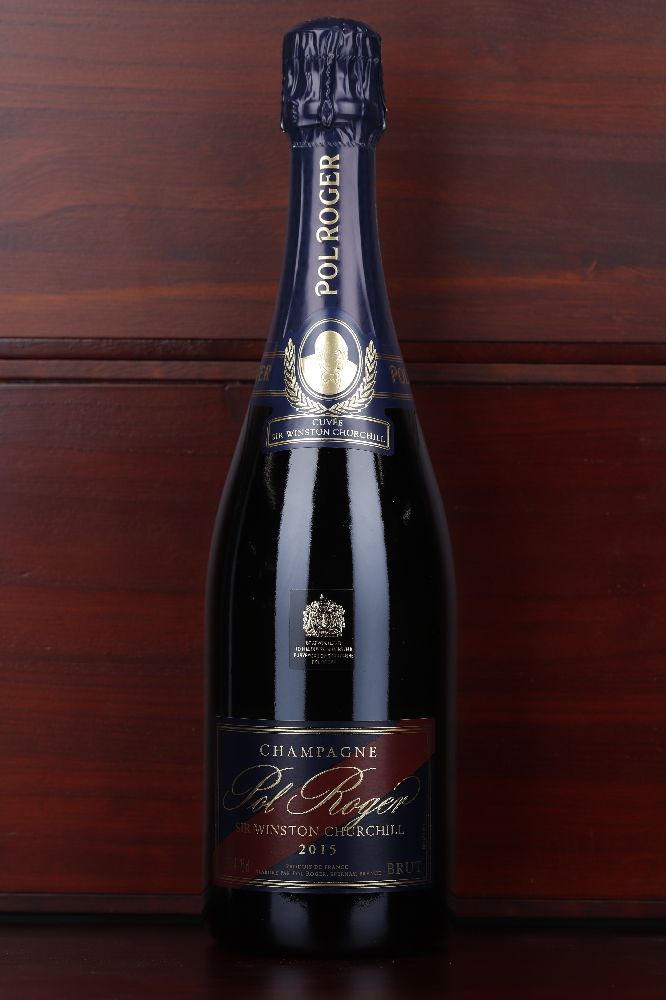
Pol Roger Winston Churchill 2015 – Champagne Premier Cru / Vintage

Thursday, January 22, 2026
Pol Roger Winston Churchill 2015 – Champagne
Pol Roger Winston Churchill 2015 – Champagne Premier Cru / Vintage

A noble sparring partner to the grandest names of Champagne, this Pol Roger Winston Churchill 2015 feels like the underdog that quietly outperforms expectations. Ripe yet structured, it wears the vintage and the chalk of its Premier Cru villages with classic poise.

Tasting note:

Bright lemon zest, bruised apple, toasted brioche and a whisper of warm spices open on the nose. On the palate it’s rich and linear with chalky minerality, lively acidity and a long, saline finish. Impeccably balanced—ripe but nervy, generous yet refined.

Fun fact:

Winston Churchill personally selected Pol Roger as his favorite Champagne, demanding it be kept cool by his bed so he could “enjoy it at any hour of the night.” The house still pays tribute to this friendship with the iconic Winston Churchill cuvée, launched in 1984. In 2015 the blend leans heavily on Chardonnay from Cramant and Avize, giving extra poise to the vintage.

BWW Score:

97/100

Disclaimer:

A small note on our tasting impressions

Many of the wines we taste come from bottles that aren’t quite sale-worthy—levels a bit low, labels too distressed, or simply not pretty enough for the spotlight. While we love the character these bottles bring, our notes are not based on a single glass alone. They reflect years of tasting experience—both within our team and from trusted friends in the wine world.

As for the fun facts?

All true (we promise)… though possibly enhanced by the gentle glow of a good glass of wine.


Pétrus 1949 – Pomerol

Thursday, January 15, 2026
Pétrus 1949 – Pomerol

The velvet hammer.

In the pantheon of post-war Bordeaux, 1949 Pétrus stands as a legend among legends. More refined than the flamboyant ’47, yet just as profound. This is Pomerol at its most sensual—power cloaked in satin.

Tasting note:

Black truffle, fig, cocoa dust, and dried violets. The palate is dense yet seamless—an opulent wave of texture that glides rather than grips. Still astonishingly alive, with a finish that echoes for minutes.

Fun fact:

Jean-Pierre Moueix had only recently begun distributing Pétrus in the late 1940s. The ’49 was one of the first vintages to reach an international audience—served at royal tables and whispered about in hushed tones. It marked the start of the myth.

BWW Score:

99/100

Disclaimer:

A small note on our tasting impressions

Many of the wines we taste come from bottles that aren’t quite sale-worthy—levels a bit low, labels too distressed, or simply not pretty enough for the spotlight. While we love the character these bottles bring, our notes are not based on a single glass alone. They reflect years of tasting experience—both within our team and from trusted friends in the wine world.

As for the fun facts?

All true (we promise)… though possibly enhanced by the gentle glow of a good glass of wine.