

THE COLLECTOR’S JOURNAL · CELLAR NOTES
Why some wines grow more fascinating with age — and others simply grow old.
There is something wonderfully irrational about buying a bottle of wine and deciding not to drink it. We put it away for years, sometimes decades, and hope time will make it better. Occasionally, it does.
But a bottle does not become great merely by surviving. A wonderful young wine may turn into an extraordinary old one. It may also become a weary version of itself. Age and maturity are not synonyms, and maturity and quality are not the same thing.
The question is less how long a wine can live than what we hope to find when we finally pull the cork.
01 /
What happens while nothing appears to happen
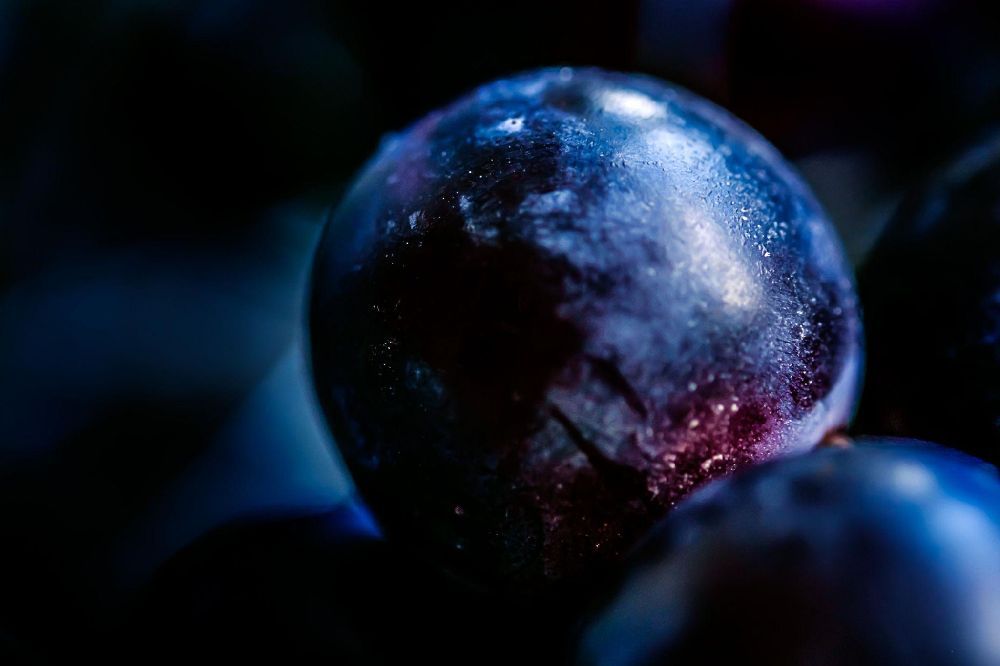
Behind the glass, wine remains chemically active. Red wines contain phenolic compounds, including tannins and the pigments known as anthocyanins. As wines develop, these compounds participate in reactions that alter colour and mouthfeel; some eventually form insoluble material that settles as sediment.
That sediment is usually no reason for alarm. Nor does a mature wine feel supple simply because every tannin has vanished. The chemistry is more intricate: tannins and pigments change in size, composition and interaction, and our perception of astringency changes with them.
Aromas are equally mobile. Fresh fruit may become less prominent while dried fruit, leaf litter, tobacco, earth or truffle-like impressions emerge. Sommeliers call these tertiary characteristics, but the term is not a medal of honour. A wine can acquire complexity while losing the freshness that once made it irresistible.
Acidity helps give many wines their shape, yet no single number—acidity, alcohol, tannin or sugar—predicts how gracefully a bottle will age. Balance and the particular chemistry of the wine matter far more than any easy formula.
02 /
The complicated business of oxygen
Oxygen has a poor reputation in wine, and not without reason. Excessive exposure can flatten aromas, accelerate browning and strip a wine of freshness. But controlled oxygen exposure also contributes to certain reactions that help shape its development.
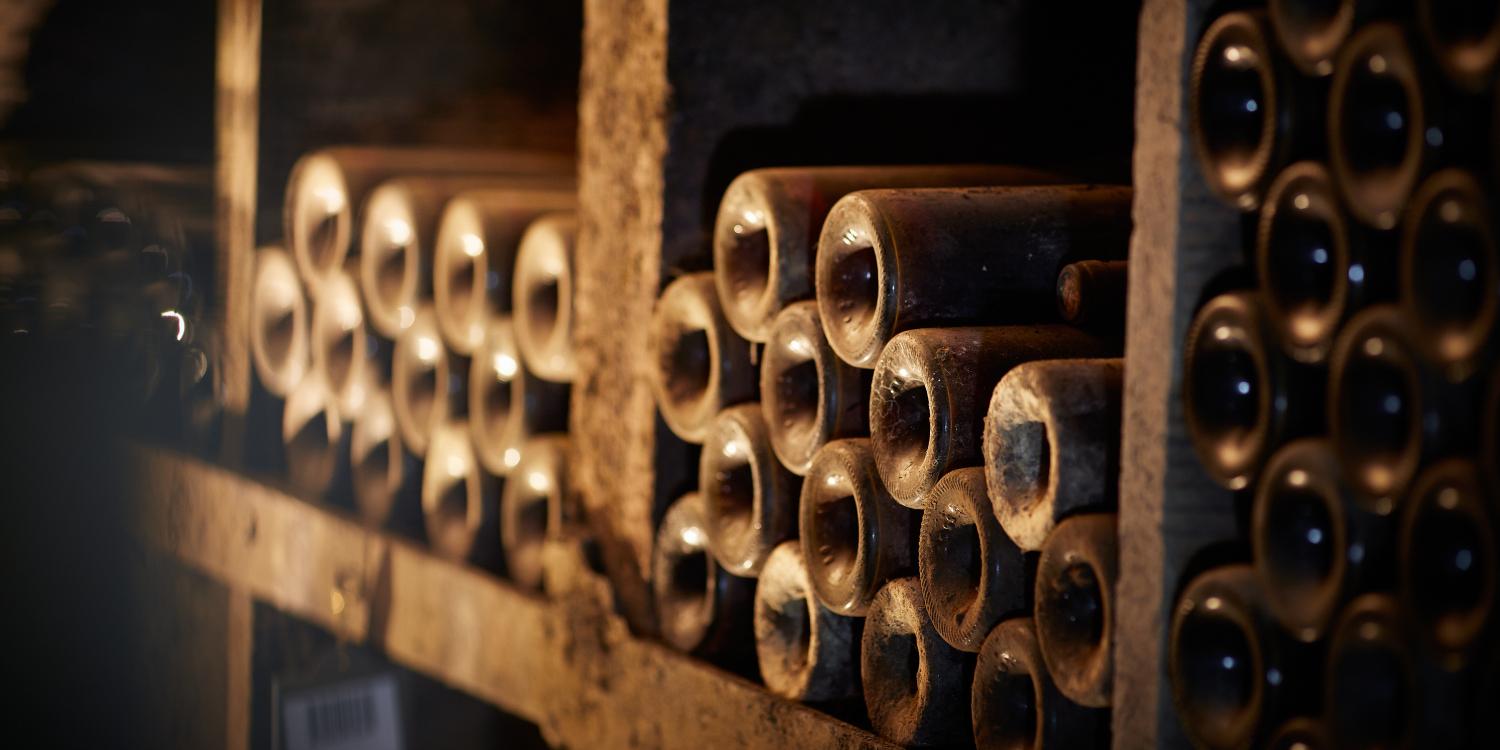
The oxygen present when the wine is bottled, the oxygen in the headspace and the characteristics of its closure can all influence how it evolves. Even then, bottle ageing is not simply a story of air seeping slowly through a cork: chemical transformations can continue without a constant external supply of oxygen.
Natural corks are not perfectly uniform. Neither are cellars. Two apparently identical bottles can therefore develop differently, especially after years or decades. The label tells us how the wine began; it does not record everything that happened afterwards.
03 /
Two estates, two ideas of longevity
Consider Château Lafleur in Pomerol. The appeal of mature red Bordeaux comes partly from the transformation of a structured wine: fruit becomes less dominant, texture can become more integrated, and savoury notes may grow in prominence. Lafleur’s distinctive blend of Merlot and Cabernet Franc offers a particularly compelling point of reference.
But an old Lafleur is never merely an estate name and a vintage. Its condition, storage and individual development matter. To discuss its mature character is not to pretend that every surviving bottle will smell or taste alike.
Then consider Château d’Yquem. Great Sauternes is made by a very different route. Under favourable conditions, noble rot concentrates grapes and contributes to aromatic complexity. Residual sugar, acidity and concentration help create wines capable of remarkable longevity.
As they evolve, youthful fruit and citrus notes may be joined by dried apricot, marmalade, saffron, beeswax or toasted-nut characters. Sugar alone does not preserve every sweet wine indefinitely, nor is the oldest possible Yquem necessarily the most enjoyable. Its beauty is that youth and maturity can offer different pleasures.
04 /
A bottle is not just a measure of volume
A half-bottle, a 75-centilitre bottle and a magnum do not necessarily travel through time at the same speed. Under broadly comparable conditions, magnums often develop more slowly; smaller bottles may advance sooner.
Part of the explanation lies in the relationship between the wine’s volume and the oxygen available around bottling or through the closure. The precise comparison depends on filling, headspace, bottle design and closure, so a magnum is not an insurance policy against poor storage.
It is, however, a format worth considering for wines intended to be cellared for many years. And, less scientifically, it brings people together. A mature magnum is almost always the beginning of a conversation.
05 /
Read the bottle before reading the score
The most useful question about an old bottle may not be “What did the critics give it?” but “Where has it been?” A stable, appropriately cool cellar matters. So do transport history, evidence of seepage and the condition of the closure.
Look carefully at ullage—the space between the wine and the cork. Fill levels normally change over long periods, and the meaning of a lower fill depends on bottle shape and age. A level that is unremarkable in a very old Bordeaux might be worrying in a much younger wine. It is evidence to interpret, never a laboratory diagnosis.
Capsules and labels offer additional clues but no guarantees. A pristine label cannot prove perfect storage; a worn label does not condemn a bottle. What matters most is a credible history of how that particular wine has been kept.
Provenance reduces uncertainty. It does not abolish it.
06 /
The moment to open it
Published drinking windows are useful guides, but they can suggest a precision that wine does not possess. There is no universal birthday on which a wine reaches its perfect moment. The same vintage may taste different from bottle to bottle, and drinkers disagree about what “peak” should mean.
If you own several bottles, open them at intervals. You will learn more from their evolution than from treating an estimated drinking window as a law. If there is sediment, allow it to settle and pour with care. Decanting can help separate wine from sediment, but hours of aeration may exhaust a delicate old bottle.
The most useful question is personal: do you want brightness and fruit, or quieter complexity? If you prefer the former, do not wait merely because the label is famous. If you love tertiary aromas, accept that patience sometimes ends in disappointment.
A cellar cannot manufacture greatness. It can only give a wine the chance to become what its composition, history and circumstances allow. The achievement is not keeping a bottle forever. It is knowing when to share it.
BELGIUM WINE WATCHERS
Discover more wines with a story to tell.